
Capture Hood Benefits for Controlling Workplace Contaminants
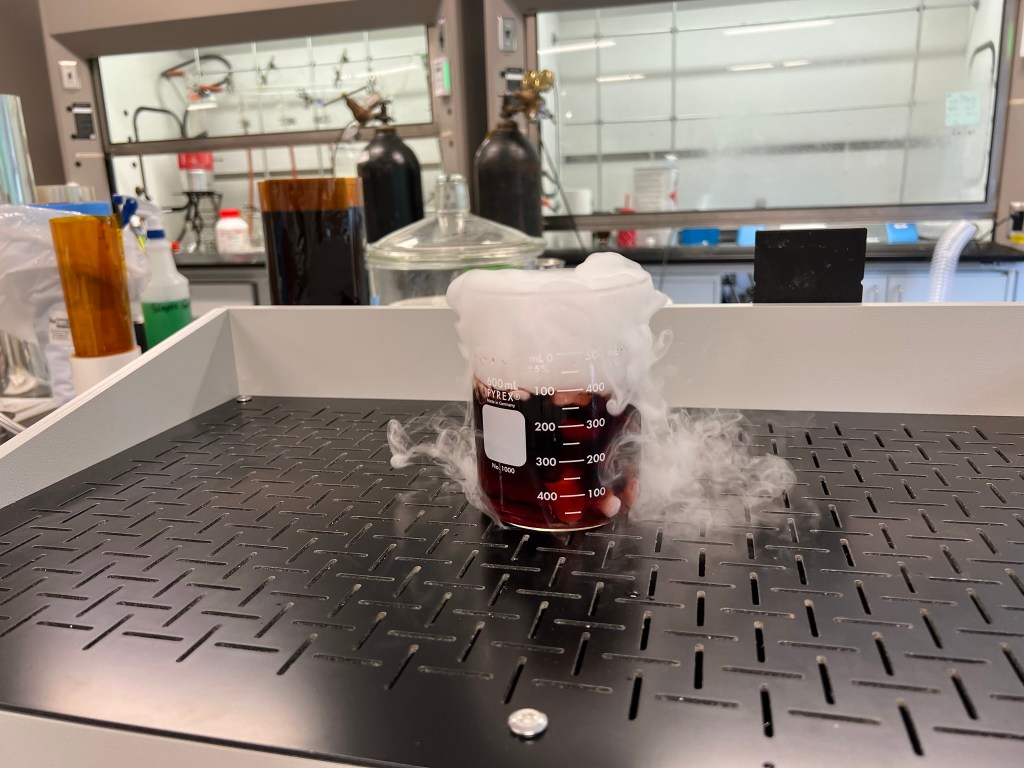
A capture hood is a key tool in many workplaces to control contaminants like dust, fumes, and vapors. It’s part of a local exhaust ventilation (LEV) system that protects workers from harmful airborne substances. By placing the hood close to the source of contamination, it effectively captures pollutants before they spread into the work area, providing a cleaner and safer environment. Capture hoods are essential for controlling workplace contaminants. They improve air quality, protect worker health, reduce energy consumption, and help businesses comply with safety regulations. Investing in an efficient capture hood system can lead to a safer and more productive work environment, with long-term benefits for employees and employers.

Here are some of the main benefits of using a capture hood in controlling workplace contaminants:
Effective Contaminant Removal
Capture hoods are designed to remove airborne contaminants at the source. Whether you’re dealing with welding fumes, dust from cutting, or chemical vapors, a well-placed capture hood prevents these hazards from spreading into the workplace. This helps reduce workers’ exposure to harmful substances and minimizes the risk of respiratory issues and long-term health problems.
Improved Air Quality
By removing contaminants directly from the air, capture hoods contribute to better overall air quality in the workplace. Clean air means fewer headaches, less fatigue, and overall better comfort for workers. It also reduces the need for additional air filtration systems in the building, as the contaminants are captured before they can spread.
Compliance with Safety Standards
Many regulations, like OSHA’s permissible exposure limits (PELs), require employers to maintain safe levels of airborne contaminants. A capture hood helps meet these standards by controlling pollutants right at the source. This reduces the likelihood of non-compliance, fines, and potential legal action, making it easier for companies to meet health and safety regulations.
Energy Efficiency
Capture hoods are more energy-efficient than general ventilation systems. Since they are placed directly at the source, they require less airflow to control contaminants, which translates into lower energy consumption. This targeted approach reduces the need for high-volume ventilation systems, helping companies save on energy costs while still maintaining a safe working environment.
Customizable to Different Workspaces
Capture hoods come in various shapes and sizes, making them adaptable to different work environments. Whether working in a small lab or a large industrial facility, the capture hood can be customized to suit the space and the type of contaminants being produced. This flexibility ensures the system can be tailored to the specific needs of a workplace, optimizing contaminant capture and control.
Reduced Risk of Accidents
In workplaces with hazardous fumes or dust, there is always a risk of fire, explosion, or other accidents. Capture hoods help reduce this risk by removing flammable or reactive contaminants from the air. This makes the workplace safer, not only in terms of health but also in preventing costly accidents or equipment damage.
Long-Term Health Benefits
By controlling exposure to harmful contaminants, capture hoods help prevent chronic health problems among workers. Long-term exposure to certain chemicals and dust can lead to serious illnesses like asthma, lung disease, and even cancer. A well-maintained capture hood system significantly lowers these risks, contributing to the long-term well-being of employees.