
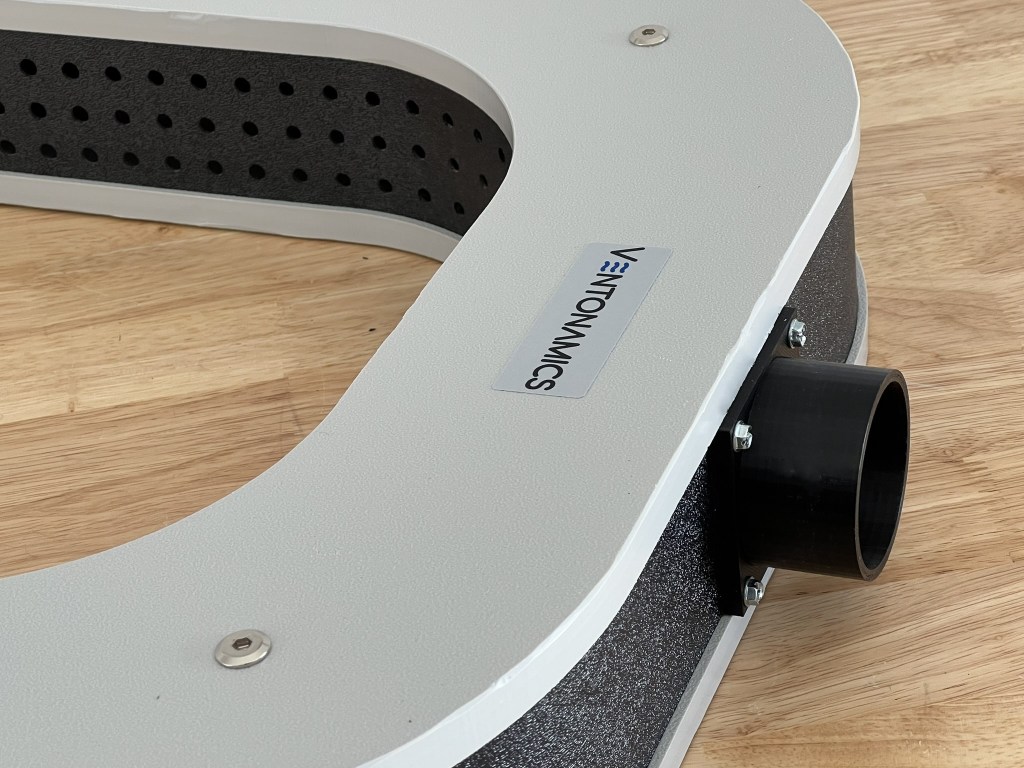
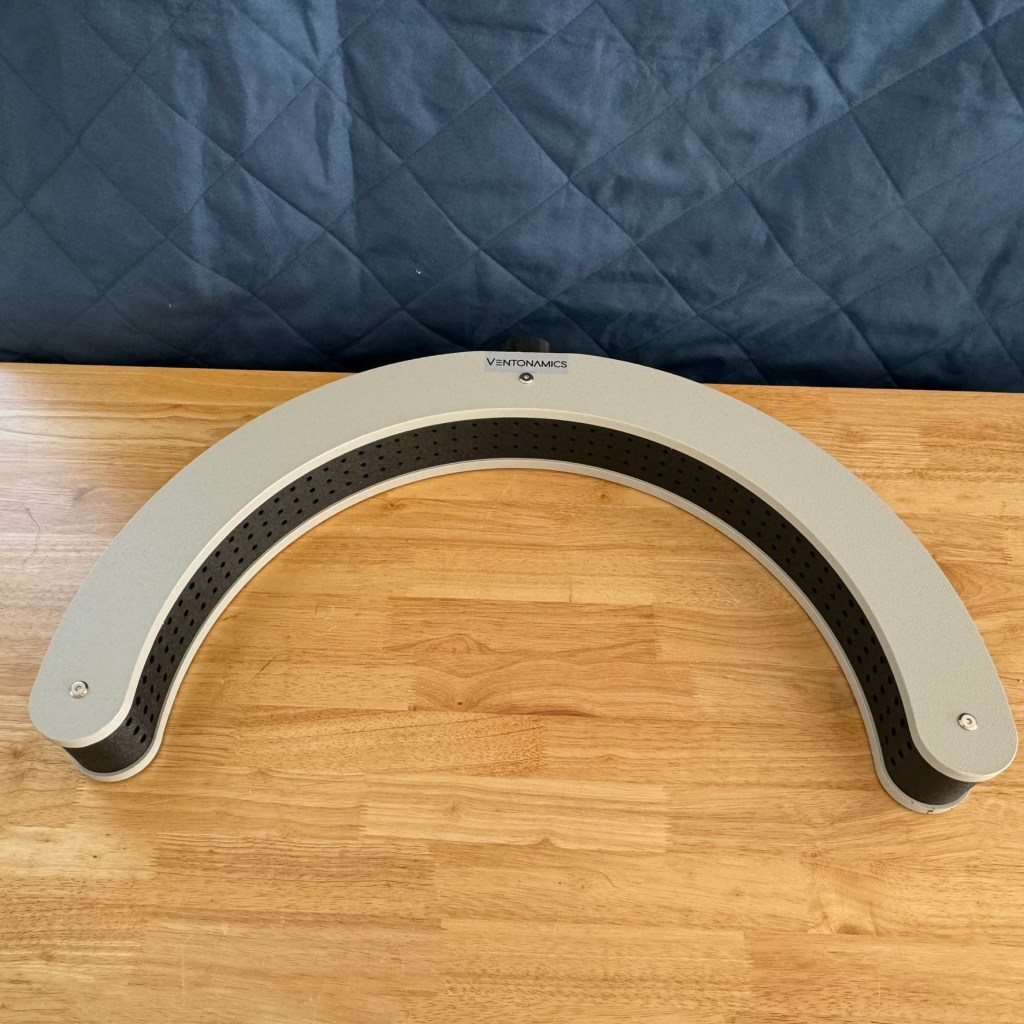
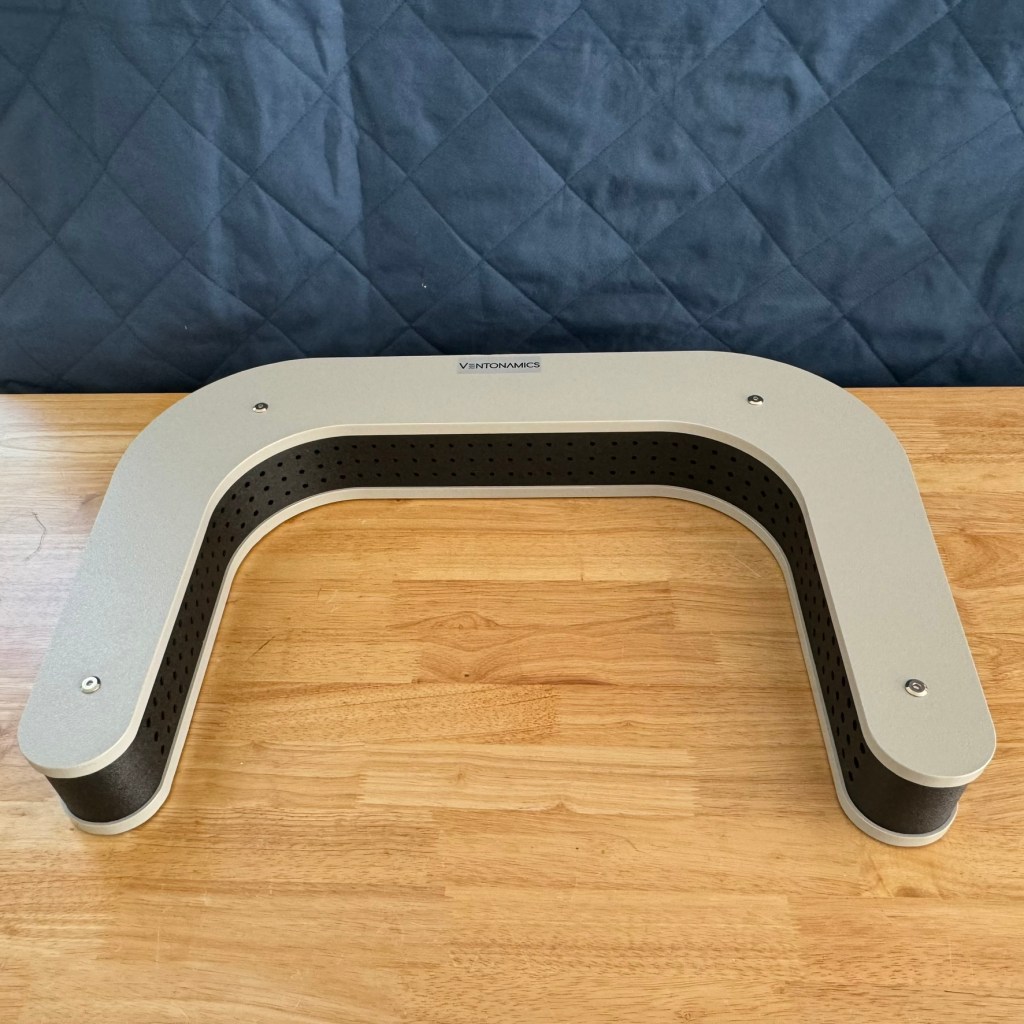

Our portable capture hood is the perfect solution for researchers and scientists who require a reliable and efficient ventilation system. Weighing in at only 5 pounds, it is incredibly lightweight and can be easily moved to any workstation in the laboratory. Its unique aerodynamic design minimizes pressure loss, and the hood captures contaminants from three different directions, providing uniform air movement and capture velocity.
Our highly versatile capture hood can work with low airflow, between 100-150 cfm. It is also connectable to the building’s exhaust system, making it an ideal addition to any laboratory setup. Whether you’re performing rodent surgeries or soldering, our hood is efficient and reliable.
Capture Hood for Soldering
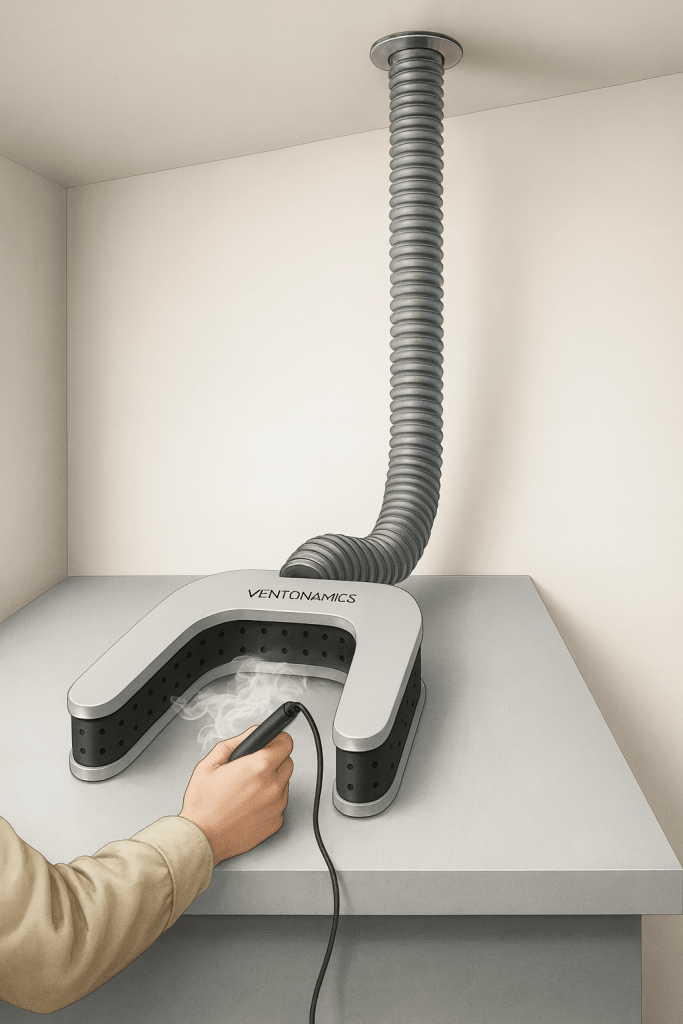
The Ventonamics capture hoods (VCH-1, VCH-2, and VCH-3) are portable, lightweight, and multi-directional enclosed hood that effectively captures soldering contaminants at the release point. The suitable airflow for this tool is around 100-150 cubic feet per minute, which the building exhaust system can provide.
Proper Hoods for Rodent surgery
This portable capture hood encloses the release zone on three sides to efficiently capture contaminants and deliver them to the building exhaust system. The aerodynamic design has minimum pressure loss in the hood. This capture hood is the perfect solution for rodent surgeries involving anesthesia gas. The hood size is appropriate for enclosing the stereotaxic tool or the heating pads during rodent surgery.
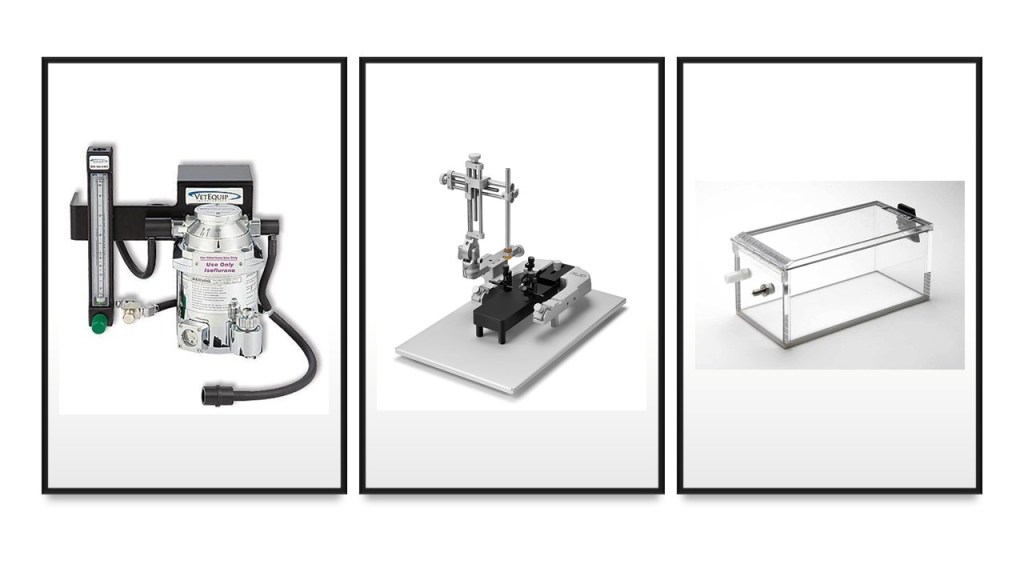
Using this device in a laboratory setting prohibits costs for the installation of snorkels and slot hoods, which are expensive and, in many cases, insufficient to protect the researchers. The rodent surgery setups are usually bulky in all directions, and locating the snorkel near the release zone is impractical. Other local exhaust ventilation, like slot hoods and chemical fume hoods, also improperly fit the application inside. The portable capture hood is uniquely fit to capture the contaminants from three different directions.
Connection to the Building Exhaust System
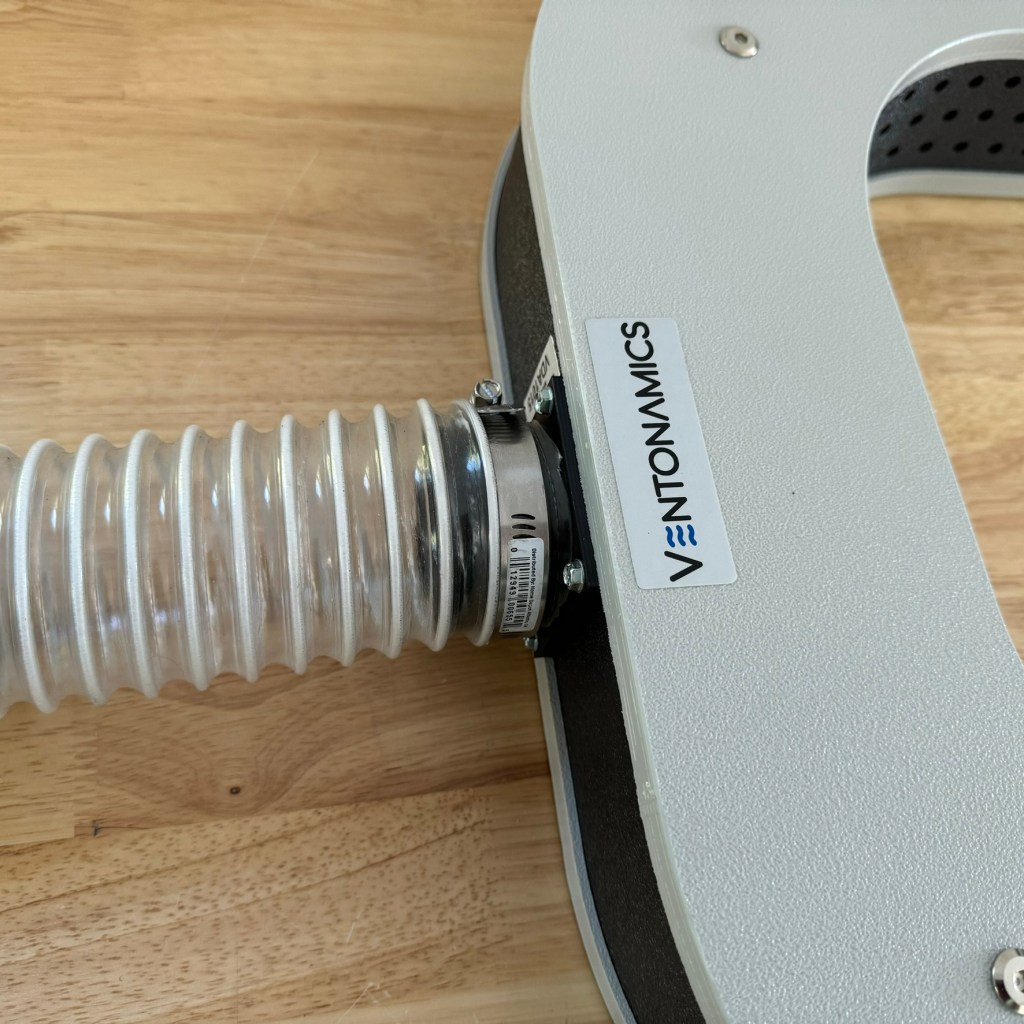
Our portable capture hoods do not have a built-in fan. They MUST be connected to the building’s exhaust system or an external exhaust fan with flexible ducts. All our capture hoods have a 2.5-inch discharge neck. Use a hose reducer adaptor if your building’s exhaust drop is 4″.
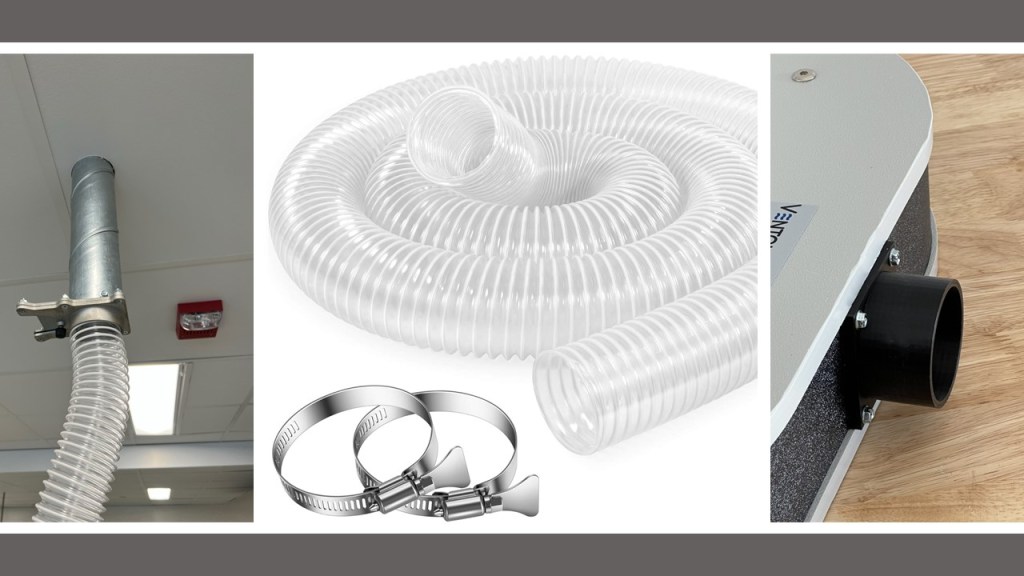

Connection to an External Fan
Our portable capture hoods do not have a built-in fan. They MUST be connected to an external exhaust fan using flexible ducts. All our capture hoods have a 2.5-inch discharge neck. If your fan connection is 3-4 inches, you can use a hose reducer adaptor.
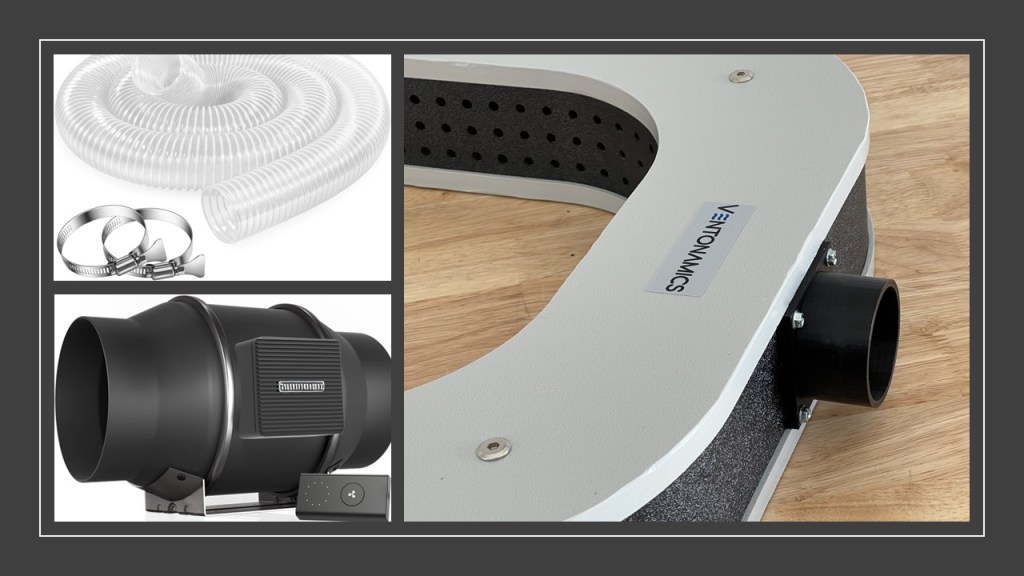
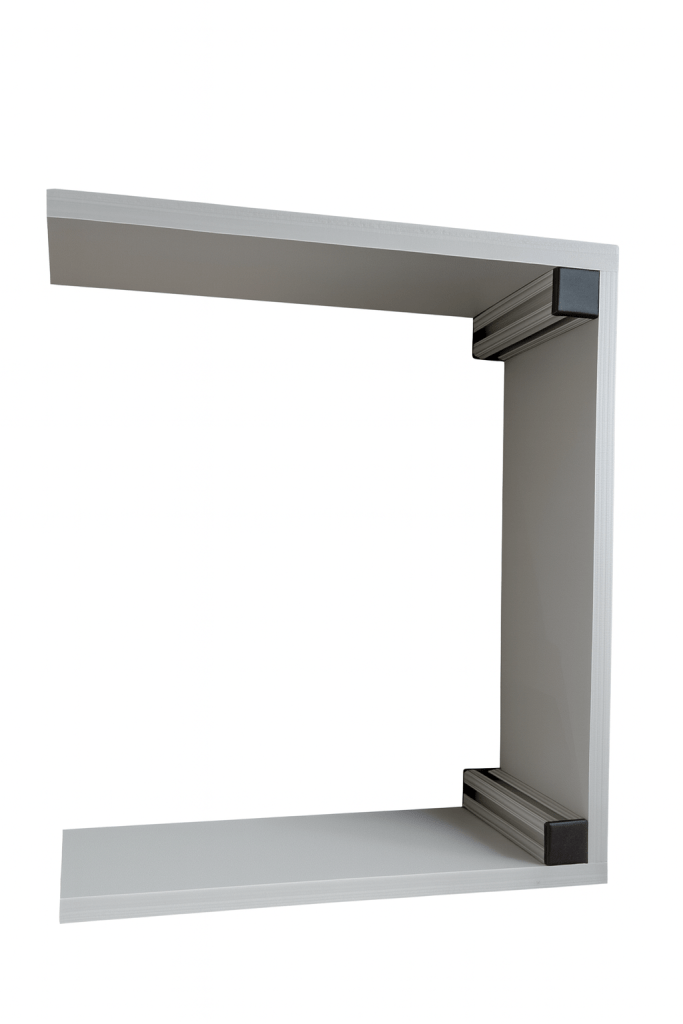
If your work generates fumes, vapors, or particles above the hood’s standard height, the VCH Hood Riser is made for you. By raising your capture hood 4 inches, it positions the intake closer to the source, bringing it closer to where contaminants are released. This means you get better protection and more efficient contaminant capture, even during heat-driven processes or when working with tall equipment. You’ll also have the clearance you need without blocking your workspace, so you can work more safely and comfortably. The risers are provided for two VCH models, VCH-1 and VCH-2. You can order the product from our website.

The following videos are recorded when the capture hoods are connected to an external exhaust fan.
We can customize the size of VCH based on the client’s needs. Please get in touch with info@ventonamics.com for more information.